

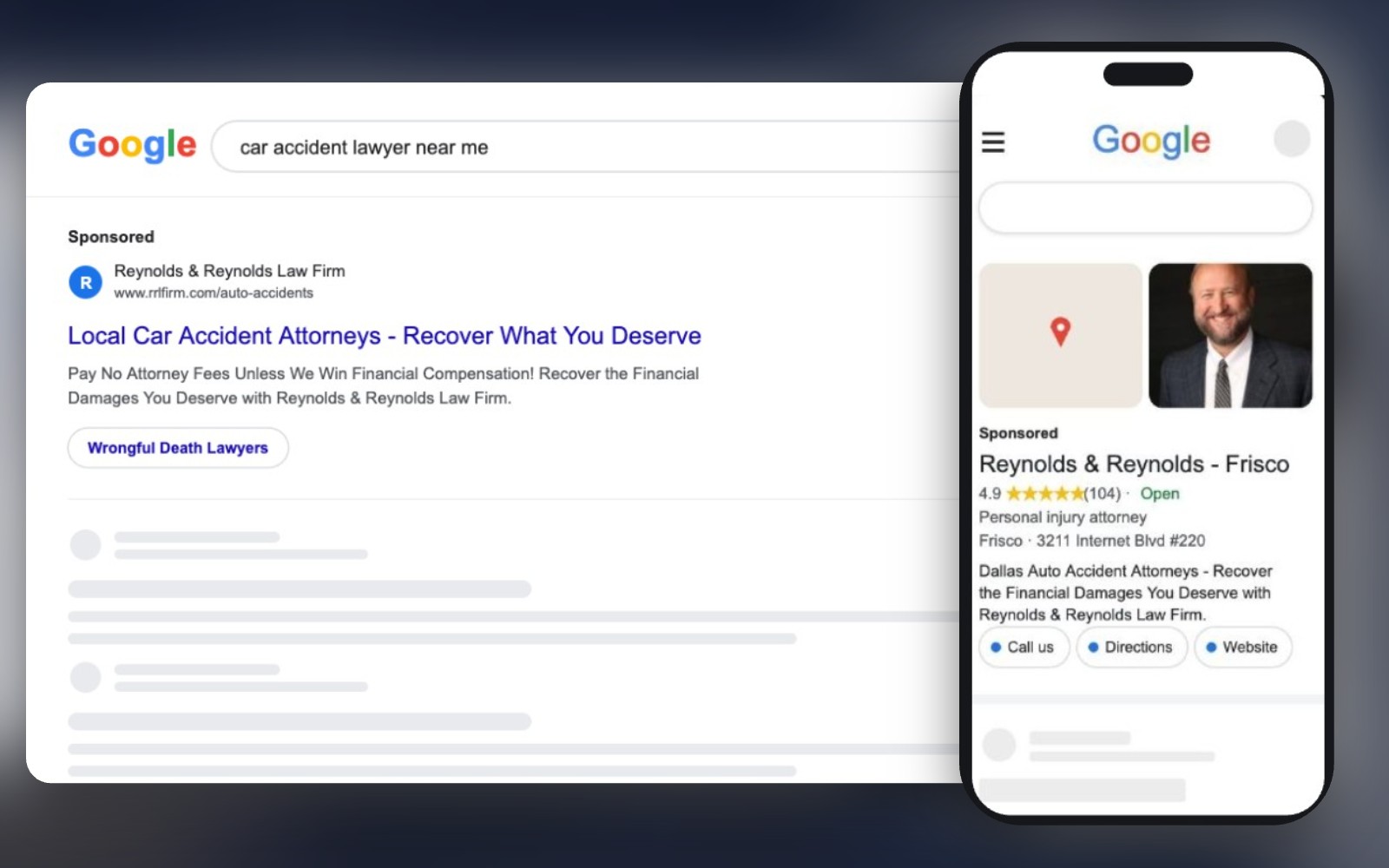
If your business runs Local Services Ads (LSAs), the ads with the Google Verified badge at the very top of search results, a big change is underway. Google is moving Local Services Ads into the main Google Ads platform. The separate Local Services dashboard is going away, and each LSA campaign is becoming a Performance Max campaign with pay-per-lead goals, managed inside Google Ads.
When is it happening?
Google announced the move in July 2026 and is migrating accounts automatically, in phases:
- August 2026: selected U.S. home and storefront service businesses, such as plumbing, HVAC, roofing and pest control.
- Late 2026: service-area businesses without a storefront, and accounts with custom bidding or booking setups.
- 2027: accounts outside the U.S. and the remaining categories.
You can’t choose your migration date. Google emails the account admin 14 days before the switch, sends a reminder 7 days before and confirms once it’s done.
Why is Google making this change?
Google says the move creates “a more integrated, self-service experience inside the Google Ads platform” and simplifies budget forecasting. In practice, it brings Local Services Ads under the same roof, tools and automation as the rest of Google’s advertising.
What stays the same
- You still pay for valid leads, not clicks.
- Your ads still appear in the same places on Google Search and Maps.
- Targeting is still based on your service categories and service area, not keywords.
- Your Google Verified badge and verification status carry over, with no need to reverify insurance or licenses.
- Past leads, messages and call recordings come with you.
The challenges local businesses should know about
- Historical reports don’t carry over. Past impressions, clicks and weekly spend data stay behind, so save or screenshot your reports now.
- Bidding changes. Manual cost-per-lead bids go away. Separate targets by service become one campaign-level target, so keeping different targets means setting up separate campaigns.
- Budgets work differently. Your weekly budget becomes a daily budget, and daily spend can vary from day to day.
- Your Google Business Profile matters more. Your name, address and hours sync from your profile. A major change can trigger a 24 to 48 hour review and pause your campaign.
- A learning curve. Settings, leads and replies live in new places inside Google Ads, and performance can take up to two weeks to settle after the switch.
- More automation. Adding your website turns on AI-generated assets unless you opt out, so it’s important to review what Google creates on your behalf.
How to prepare
- Export or screenshot your Local Services reports before your migration date.
- Make sure someone is watching the account admin’s email, so you don’t miss the 14-day notice.
- Clean up your Google Business Profile now, so a last-minute change doesn’t pause your ads.
- Decide whether your services need separate campaigns and budgets.
- After the switch, check your budget, cost-per-lead target, service categories, locations, schedule, phone number and photos.
How Osky Blue helps clients through the transition
We manage Local Services Ads and Google Ads for local businesses every day, so our clients don’t have to figure this out alone. Before each migration, we save historical performance, clean up Business Profiles and plan the campaign and budget structure. After the switch, we review every setting, watch lead quality and cost per lead closely while performance settles, and keep reporting on the results that matter.
Running Local Services Ads and not sure how the move will affect you? Learn about our paid media services or request a quote and we’ll walk you through it.
Source: Google Ads Help. Details are current as of October 2026 and may change as Google continues the rollout.